
Trends
10 Minute Read
The Road Ahead: The State of Gaming in 2026

As we move through 2026, it feels like the gaming industry is finding itself at a turning point. The turbulence of 2025 is still fresh, but as we’ve entered the new year, it’s easier to see what the year revealed: where the industry was under pressure, where it has proven resilient, and where meaningful change is already happening.
Before looking ahead to 2026, it’s worth pausing to reflect on what 2025 taught us, not as a post-mortem, but as content for what comes next…
Looking back at gaming in 2025
From an industry perspective, there’s no avoiding the fact that 2025 was a difficult year. Layoffs continued across the gaming space, affecting everyone from major publishers to small indie studios, following the post-COVID boom.
While global games revenue remained at an all time high, broader economic pressures - rising living costs, tighter marketing budgets, and increased development expenses - made it a more cautious environment for both players and publishers.
This shift has led players to double down on familiar, long standing titles, buying fewer new games and rarely stepping outside their comfort zones. Established franchises feel like the safer bet. At the same time, developers are responding by building larger worlds and ecosystems, ramping up live service mechanics and monetisation to retain players for longer and maximise lifetime value. New IP was harder to justify, and AAA releases were fewer and further between.
As someone who has spent 14 years marketing games, this shift has been noticed in what has traditionally been the busiest and most competitive release window of the year. Yet in 2025, Q4 was unusually quiet, with Battlefield 6 standing out as the only truly major release. Even established juggernauts like Call of Duty: Black Ops 7 struggled to match previous years’ performance. Yet 2025 also made one thing very clear: originality can still cut through.
Clair Obscur: Expedition 33 swept major awards at both the Golden Joysticks and The Game Awards for its story, gameplay mechanics and music. Arc Raiders found significant success with its fresh take on the extraction shooter genre, selling over 12M copies. Meanwhile, a wave of inventive indie titles, including Blue Prince and Peak, proved there is still room for originality and breakout hits.
So, where does this leave us heading into 2026?
-
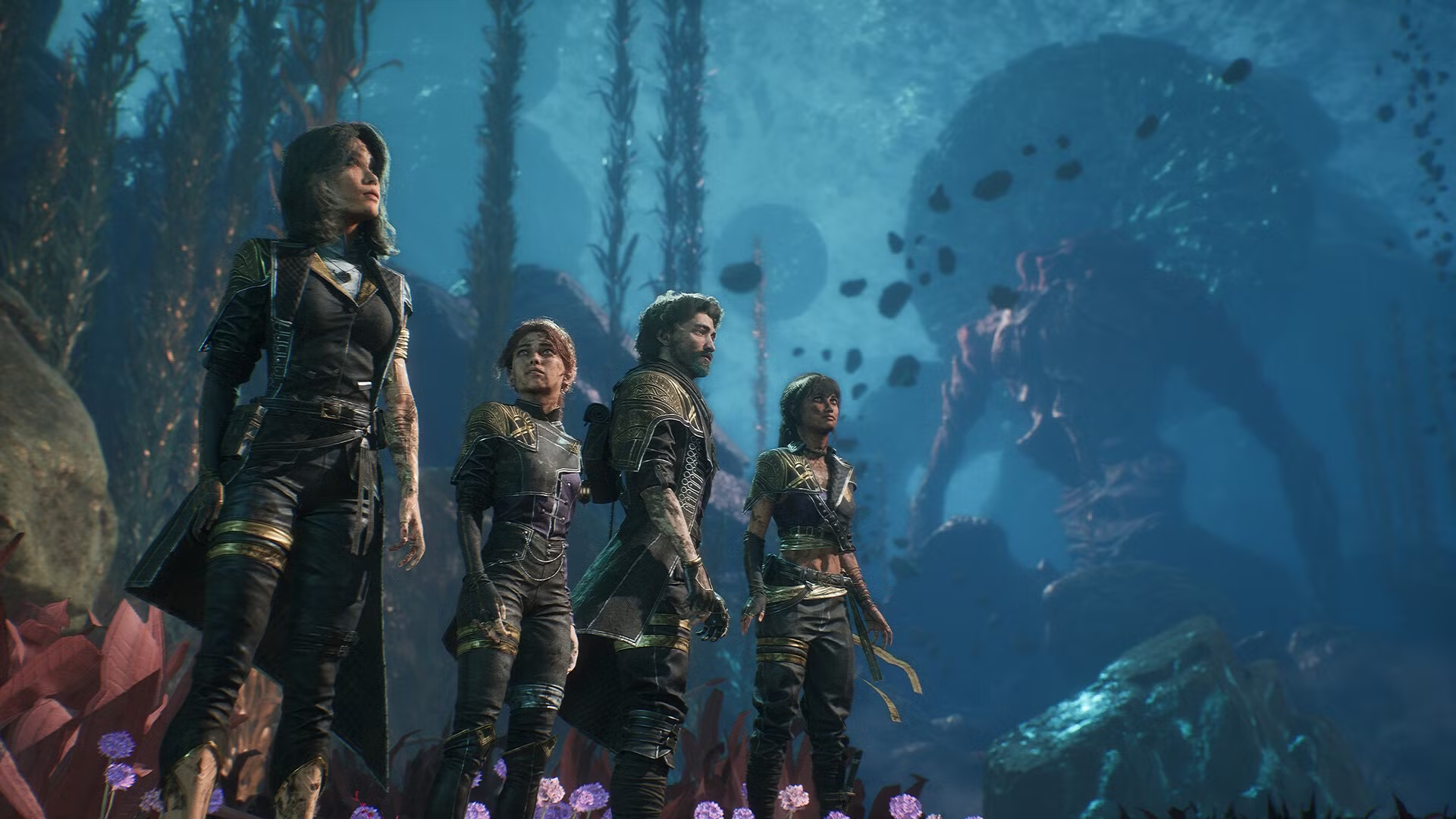
Clair Obscur Expedition 33 swept major awards at both The Golden Joysticks and The Game Awards
-
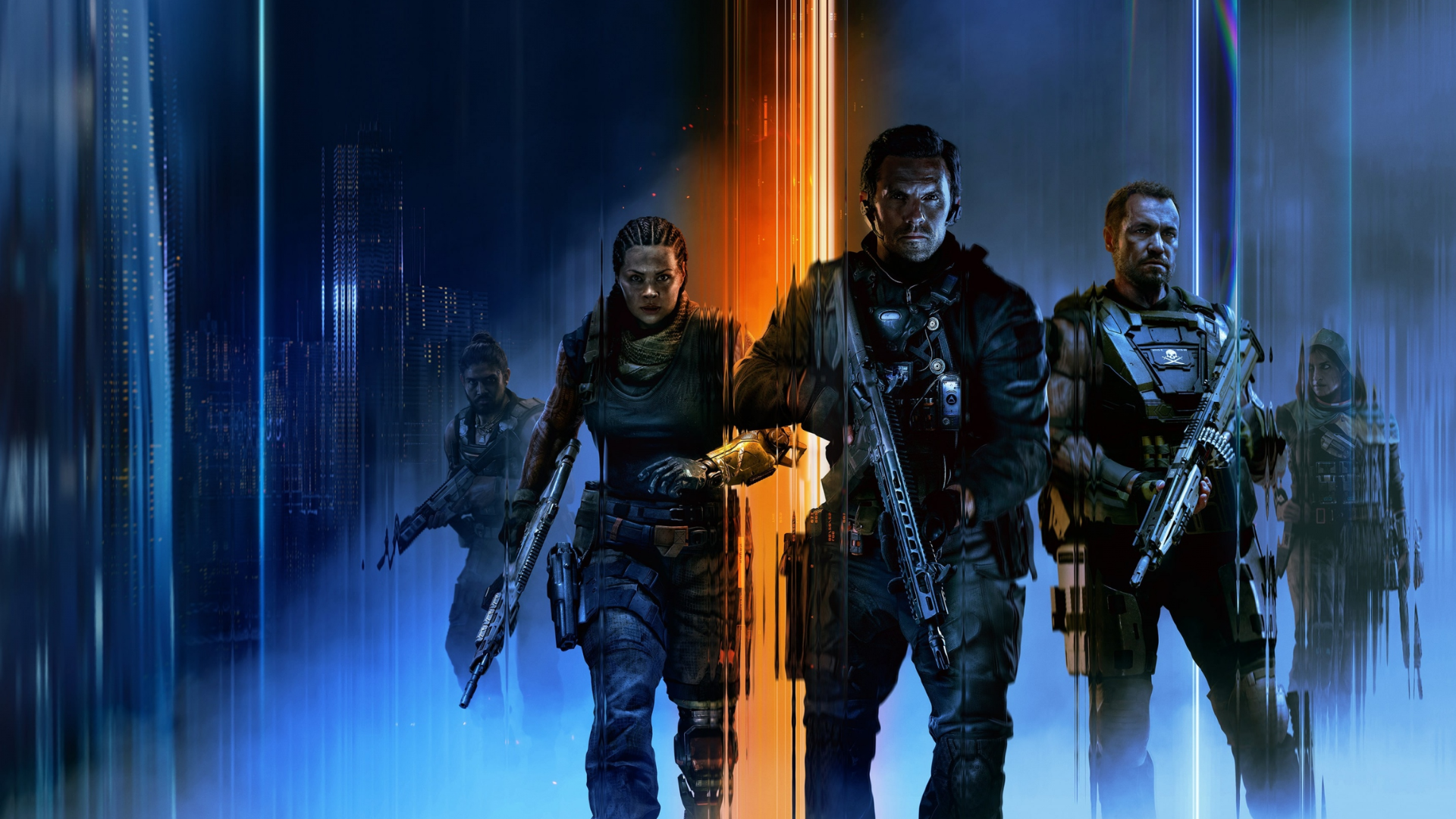
Even established juggernauts like Call of Duty: Black Ops 7 struggled to match previous years’ performance


The state of play heading in 2026
Generally speaking, it still feels like the gaming industry is moving through the final stages of a difficult cycle rather than entering a new one.
The pace of layoffs is beginning to slow, projects are being greenlit with more intention, and there’s a stronger emphasis on sustainability over unchecked growth. Rather than chasing scale for its own sake, studios and publishers are making more deliberate choices about where to invest, what to build, and how to support teams long term.
This shift is already visible in the games pipeline, as 2026 looks to be a stellar year for games.
We are also likely to see increased consolidation across development, publishing, creative and support services. Studios are embracing leaner, more agile ways of working, with collaboration and cross-disciplinary thinking becoming the norm rather than the exception. At the same time, the role of AI will continue to grow, shifting from buzzword to practical implementation across workflows, reducing friction, and freeing teams to spend more time on what matters most: making great games.
If there were one word to define 2026, it would be efficiency. Decisions feel more considered, creativity more grounded, and ambition more sustainable.
Key market trends to watch out for in 2026
There are several key video game trends to watch heading into 2026, with the most obvious being AI. The topic continues to divide opinion across the industry, but the conversation has matured significantly over the past year.
Senior leaders across studios of all sizes increasingly view AI as something they need to engage with, much like the rise of social media a decade ago. For many, the motivation is clear: teams want to work smarter, reduce friction in production, and protect creative energy in an increasingly demanding industry.
On the other hand, there are valid concerns that AI could displace jobs, dilute creative thinking, and result in more generic output. The opportunity in 2026 lies in thoughtful implementation, using AI to enhance workflows, speed up iteration, and unlock new possibilities, while keeping human creativity firmly at the centre. The studios that strike this balance will be best positioned to thrive.
Rising hardware and infrastructure costs are another key consideration, particularly around GPUs and general computing power. US trade tariffs have contributed to this, alongside increased manufacturing, parts, and distribution costs. This became evident in late-2025 when consoles that were already five years old increased in price rather than declining.
Other notable trends include the continued growth of Esports, with more competitive titles, larger prize pools, and greater mainstream visibility. Consolidation across the industry is also expected to accelerate, with more mergers, acquisitions, and buyouts potentially leading to increasingly monopolised structures.
Handheld gaming remains a strong growth area with the continued success of the Switch 2, Steam Deck, and devices such as the ROG Ally, now positioned as part of Xbox’s broader ecosystem. Whether PlayStation re-enters the handheld space in 2026 remains to be seen. Cloud gaming will also continue to be a major focus, particularly for Xbox, as platform holders invest further in ecosystem-led access and cross-device play.
-
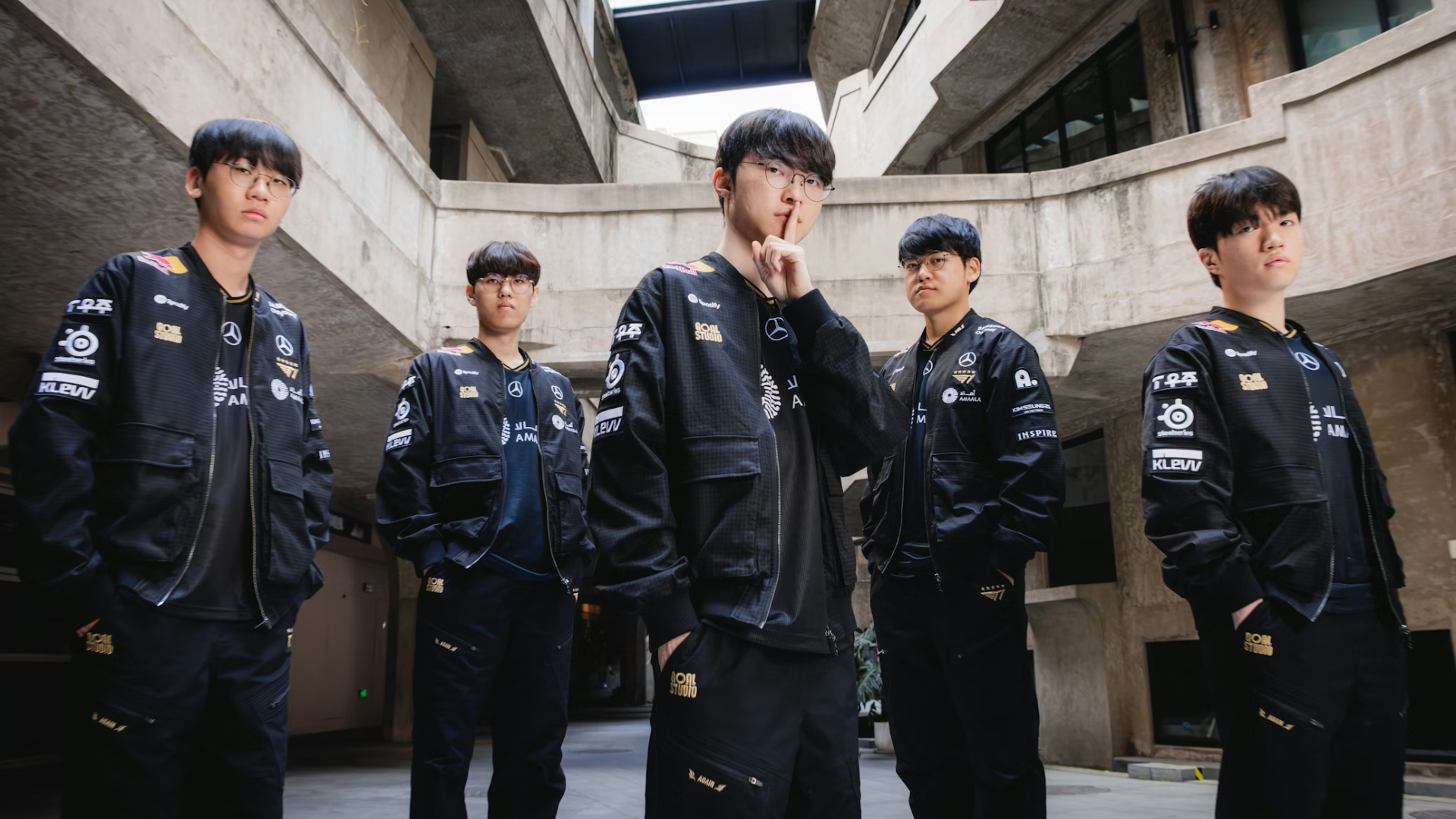
Expect to see a continued growth of Esports this year
-
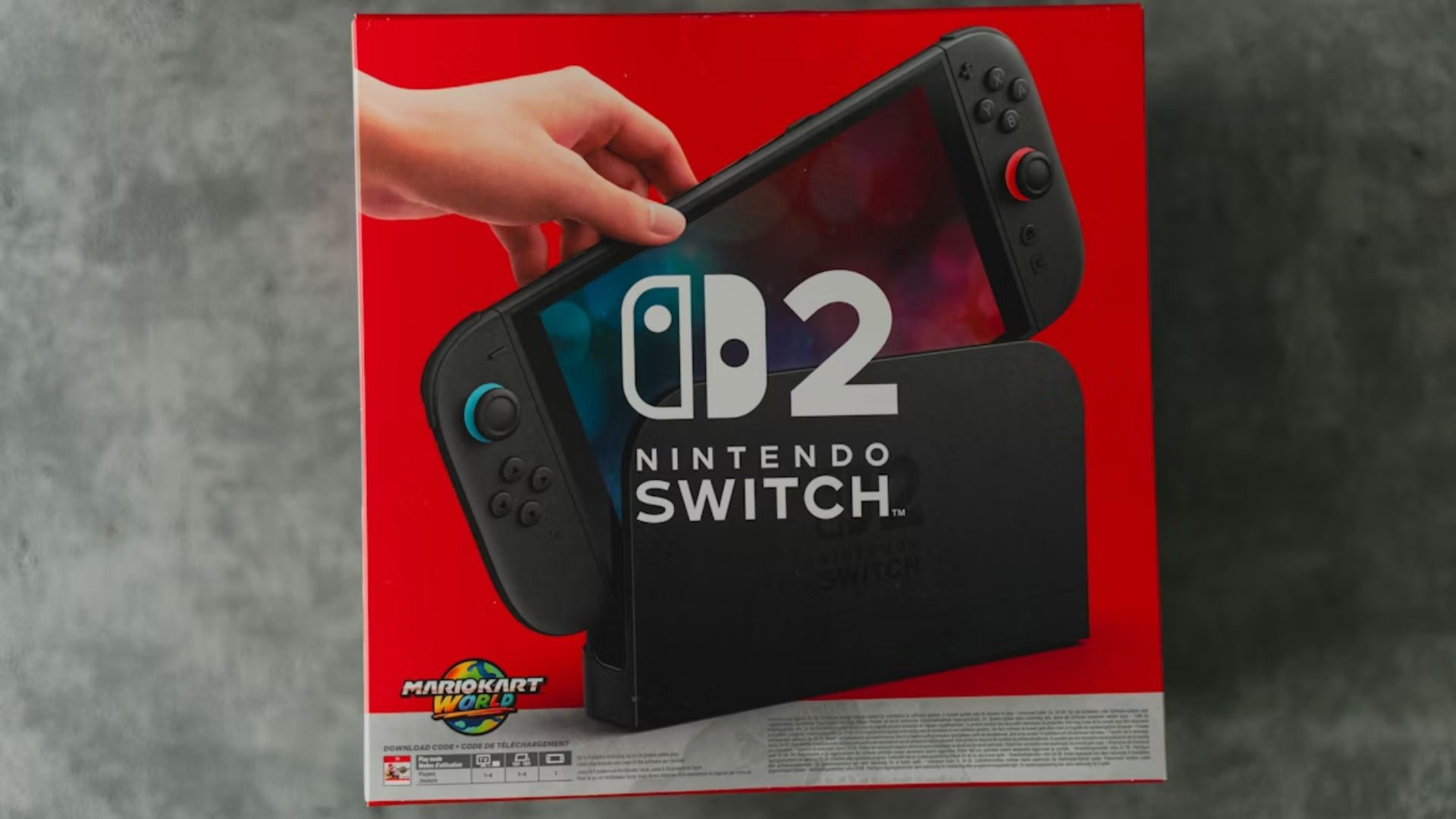
Handheld gaming remains a strong growth area


How games will be marketed in 2026
Marketing in 2026 will continue to favour precision over excess.
Budgets are likely to remain lean, but they’re also becoming smarter. There will be less unfocused spending and a stronger emphasis on targeted, highly measurable activity like paid media across the big four platform holders.
Influencer marketing is also evolving. One-off paid campaigns are likely to become less dominant, with greater focus placed on building genuine advocates from the outset, prioritising transparency, trust, loyalty, long term relationships, and community driven growth.
Bigger, more elaborate ideas haven’t disappeared, but they’re being approached with greater discipline. Concepts are expected to earn their place, clearly demonstrating impact and relevance. This shift is helping the industry move away from vanity projects towards creative work that genuinely resonates with players and delivers results.
Games we’ll be watching in 2026
The 2026 slate is shaping up to be an epic year for games, especially after what has felt like a drought in AAA releases.
The most obvious title that has everyone waiting with bated breath is GTA 6. This is not only likely to be the most anticipated game of 2026, but arguably the most anticipated game of the last decade. After multiple delays, one can only hope there are no more for this one.
Other highly anticipated titles include Marvel’s Wolverine, developed by Sony’s Insomniac, the studio behind exceptional games such as Spider-Man and Ratchet and Clank. One title we will not have to wait too long for is Resident Evil Requiem, the ninth entry in the mainline Resident Evil series, due to release in February. Given Capcom’s strong track record with recent Resident Evil games, expectations are understandably high.
007 First Light is another title firmly on people’s watch lists. Developed by IO Interactive, best known for the Hitman series, the game appears to be in very safe hands. We also have the reimagining of Fable, being developed by Playground Games, the studio best known for Forza Horizon. It will be interesting to see how this turns out, given their background in driving simulations rather than role playing games.
Other games likely to make a significant impact include Control Resonant, a mind bending action experience combining supernatural powers with a surreal world, and Tomb Raider: Legacy of Atlantis, which sees Lara Croft returning for high octane exploration and ancient mysteries. Saros is another exciting addition, a new IP set within an atmospheric survival adventure that promises innovative storytelling and immersive world building.
On the indie side, Reanimal marks the return of the creators of Little Nightmares I and II, taking players on an even darker and more terrifying journey, and Replaced - developed by Sad Cat Studios - also continues to generate buzz. Set in an alternate 1980s America scarred by nuclear catastrophe, the game delivers a cyberpunk thriller through a narrative driven 2.5D platformer that blends cinematic exploration with fluid, free flowing action.
This is only the tip of the iceberg, with many more titles still to be announced or explored. Given everything happening across the industry, it is encouraging to see innovation, new IPs, and fresh experiences continuing to emerge. Ultimately, this is where the consumer truly wins.
-
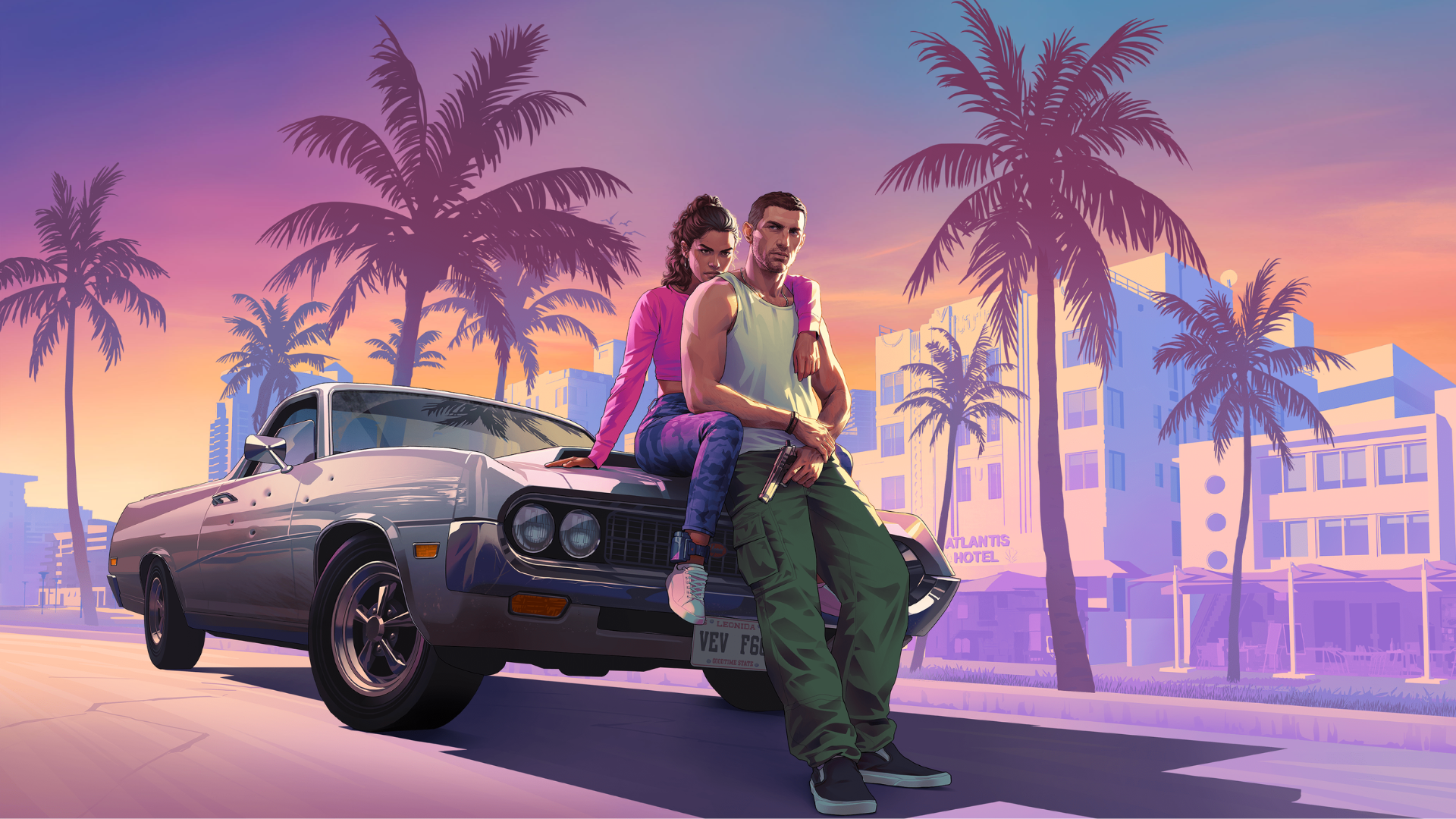
GTA6 - likely to be the most anticipated game of 2026
-

The ninth entry in the mainline Resident Evil series releases this year


What does all of this mean for this industry this year?
Taken together, 2026 feels like a year of renewed confidence for the games industry, and is shaping up to be a jam packed year filled with exciting game releases.
Yes, the industry will continue to face challenges. However, the ship is starting to steady, with a growing sense of stability, clearer priorities, and a healthier balance between ambition and sustainability. A positive sign both for those working in the industry and for gamers themselves.
We can expect the launch of exciting new IPs, the reinvention of existing franchises, continued innovation from indie developers, and the arrival of new hardware that further expands how and where people play. Most importantly, players stand to benefit from an industry that is refocused on value, creativity, and long-term engagement.
Here at ICHI, we’re entering 2026 with optimism and momentum. Working closely with our sister studios, we’re well positioned to deliver impactful creative and strategic work for our clients, and ready to respond to whatever the year brings. As a collective, we represent a formidable force within the gaming industry in 2026, across creative, marketing, and everything in between.


