
Ideas
10 Minute Read
Gaming Is The New Creative Vanguard

Film. Music. Literature. The meaning of art and the forms it can take have broadened considerably over time. From The Midnight Walk’s stunning claymation to Gris’ emotion-invoking watercolour style, video game art celebrates modern creativity and brings traditional art techniques to light. But, how exactly did this come about?
Where nostalgia meets innovation
Whenever I think of titles that blend a distinctive art style with gameplay, my mind instantly goes to the run-and-gun shooter Cuphead. Inspired by 1930s cartoons, the Cuphead art style uses traditional hand drawn cel animation, watercolour backgrounds, and original jazz recordings to immerse the audience in a uniquely memorable universe. Was it an extremely tough game? Yes. (I watched a friend play after failing too many times.) But it was worthwhile, as players could enjoy the beautifully animated storyline with every boss they’d defeat.
Art in games serves as more than just a side character. Lighting, UI, colour, composition, and other stylistic choices help to shape the audience’s experiences and create long-lasting impact.
In Journey, the everchanging colour palettes and landscapes weave a simple, yet powerful story that takes the player on an emotional adventure through a vast, ancient world. With wordless gameplay, visual-only cutscenes and a few simple chirps, the game shows the potential a strong, visual language can bring to the table (or console!).
The pixel renaissance
Pixel art lets small indie studios easily experiment and create games without a AAA budget. Unlike more realistic 2D and 3D games, it uses sprites and bitmaps to form the base of a game that isn’t bound to the restrictions an older game engine might have. For example, the action-adventure game Eastward was first crafted using 2D pixel art before the addition of 3D lighting techniques to enhance the game’s unique style.
Once purely a technical constraint, this art style is now favoured by many indie game creators. Pixel art games like Stardew Valley, Celeste, and Undertale evoke familiarity and nostalgia while still providing a modern, expressive twist that separates them from retro classics. Drawing inspiration from pop culture, pixel art has even expanded to posters, magazine covers, video ads, tattoos and more.
-
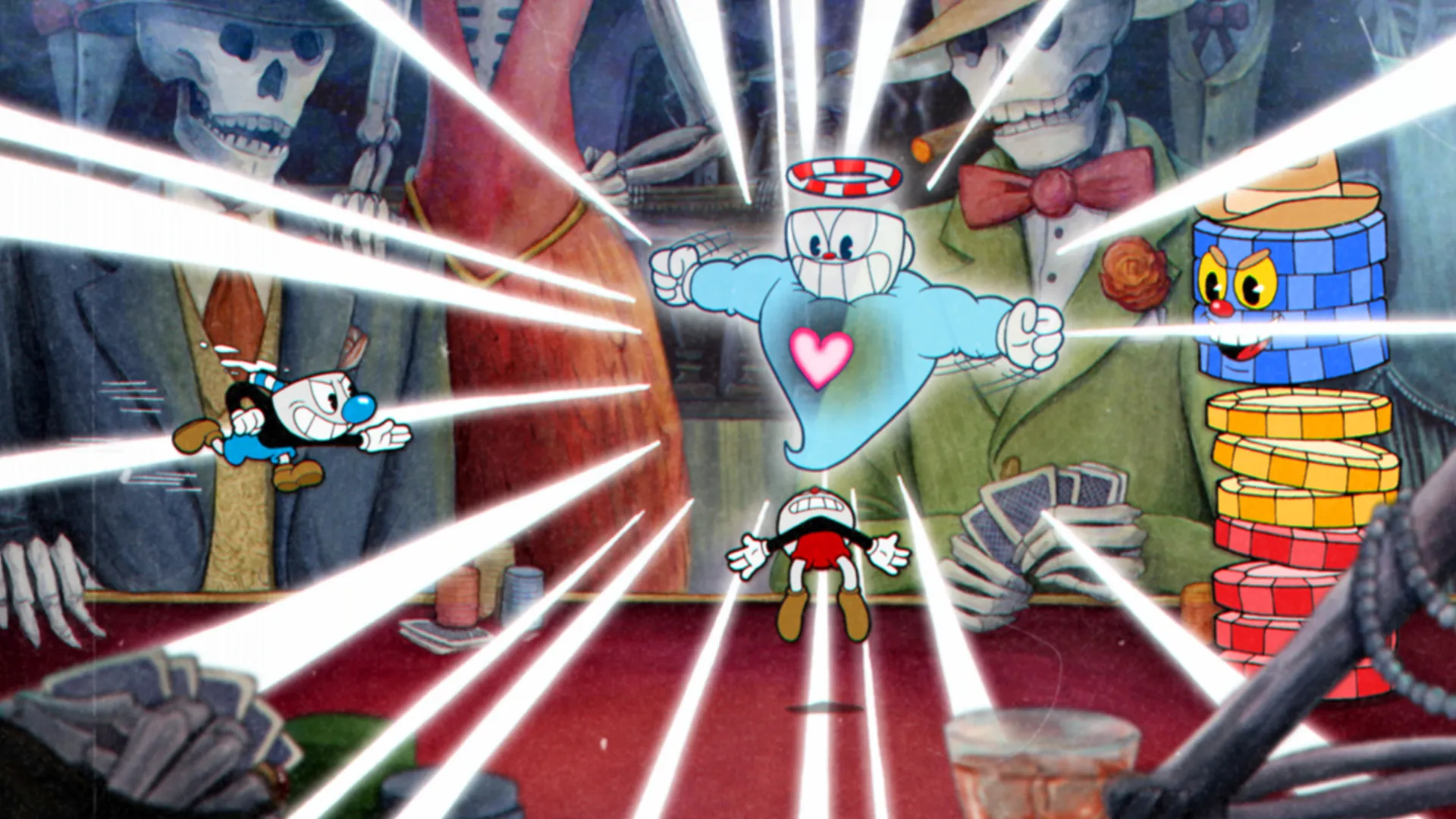
Cuphead: distinctive art-style gameplay inspired by 1930s cartoons
-

Stardew Valley: nostalgic pixel art gaming with a modern, expressive twist


Anime and the globalisation of gaming style
Video games and culture have slowly become intertwined; with anime games such as Persona 5, Genshin Impact and Granblue Fantasy bringing the unique aesthetic to audiences worldwide.
Games inspired by anime are highly stylised, with bold, graphic transitions and colourful elements reminiscent of the genre. On Twitch, it’s increasingly common to see streamers play games as VTubers (virtual YouTubers) that resemble anime characters or other ‘cutesy’ personas, further strengthening the connection between anime and gaming.
Here, the quality lives up to the content on the big screen. When a cutscene in Persona played, I’d take several screenshots and use the best ones for my wallpaper! (I know, I’m so cool.) From fashion to TikTok, the anime aesthetic is popular in many forms and now instantly recognisable across the globe.
Storytelling beyond the screen
Games are one of the few mediums that invent new forms of narrative. Through environmental storytelling and experimental formats, players can shape and experience a game in an entirely different way each time. In Disco Elysium, you play as a downbeat detective suffering from memory loss. Depending on the skills you choose and the decisions you make, the dialogue and story progression change dramatically. With a striking art style inspired by oil painting, the game beautifully embraces replayability–so, if you haven’t played it? Play it. Now.
By weaving the story into core mechanics, games can blur the lines between narrative and gameplay. Her Story is a non-linear storyline told entirely through searching a police database of video clips, requiring players to reconstruct the narrative themselves. Here, people are participants, not just spectators. Systems, space, and agency combine to tell stories in ways that only games can. And with the rise of VR (Virtual reality), we can immerse ourselves in gaming universes like never before.
Take Resident Evil 4, for example. A survival horror classic with the much-loved (loved by a few of us at ICHI, anyway) protagonist, Leon S. Kennedy. With VR, players can use physical actions to experience the world from an entirely new perspective. Cult members running at you, zombie dogs leaping into frame… these elevated horrors aren’t for the faint of heart. But, in terms of memorability and immersiveness, they come second to none.
-
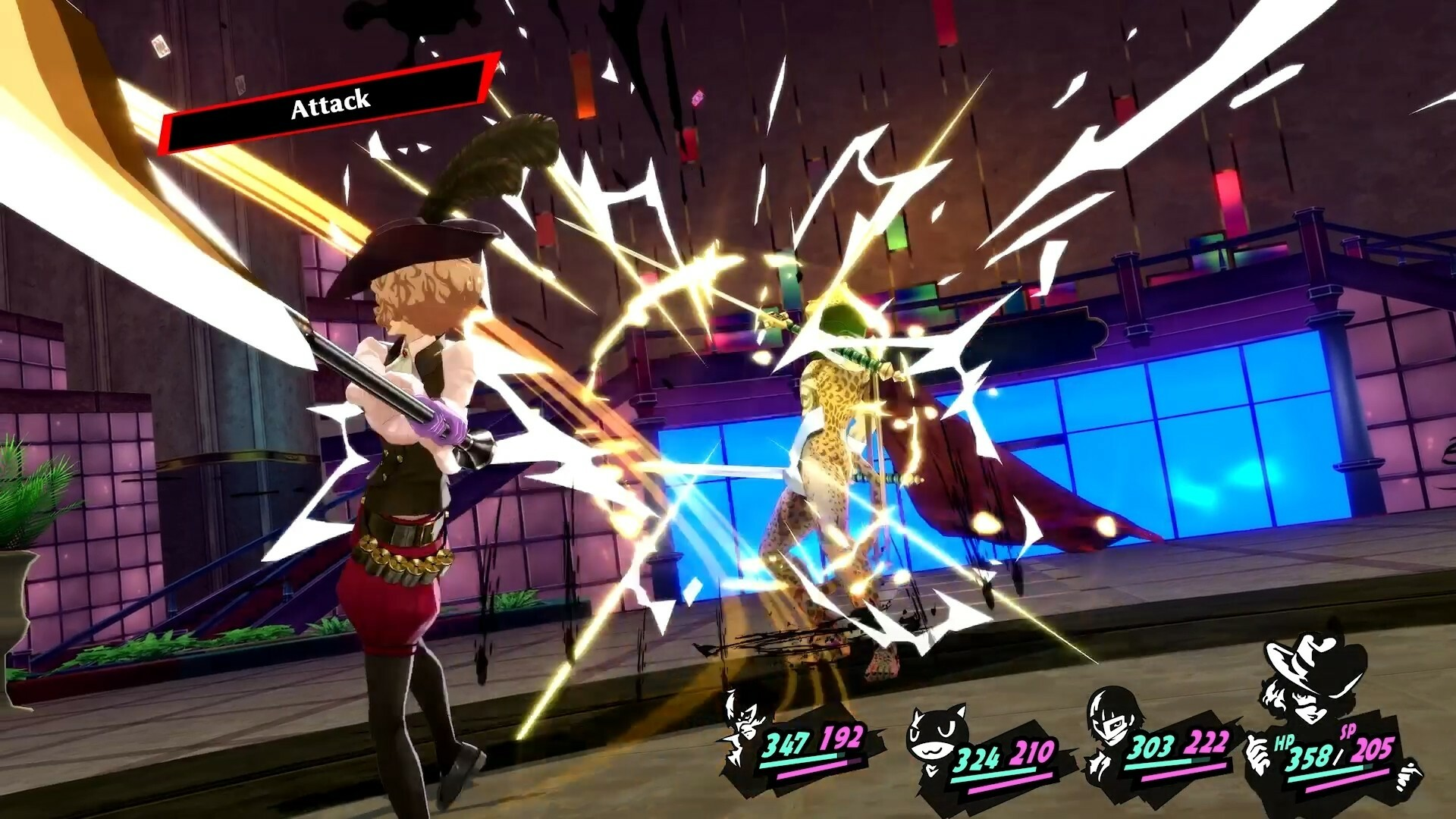
Persona 5: bringing the unique anime aesthetic to gaming audiences
-
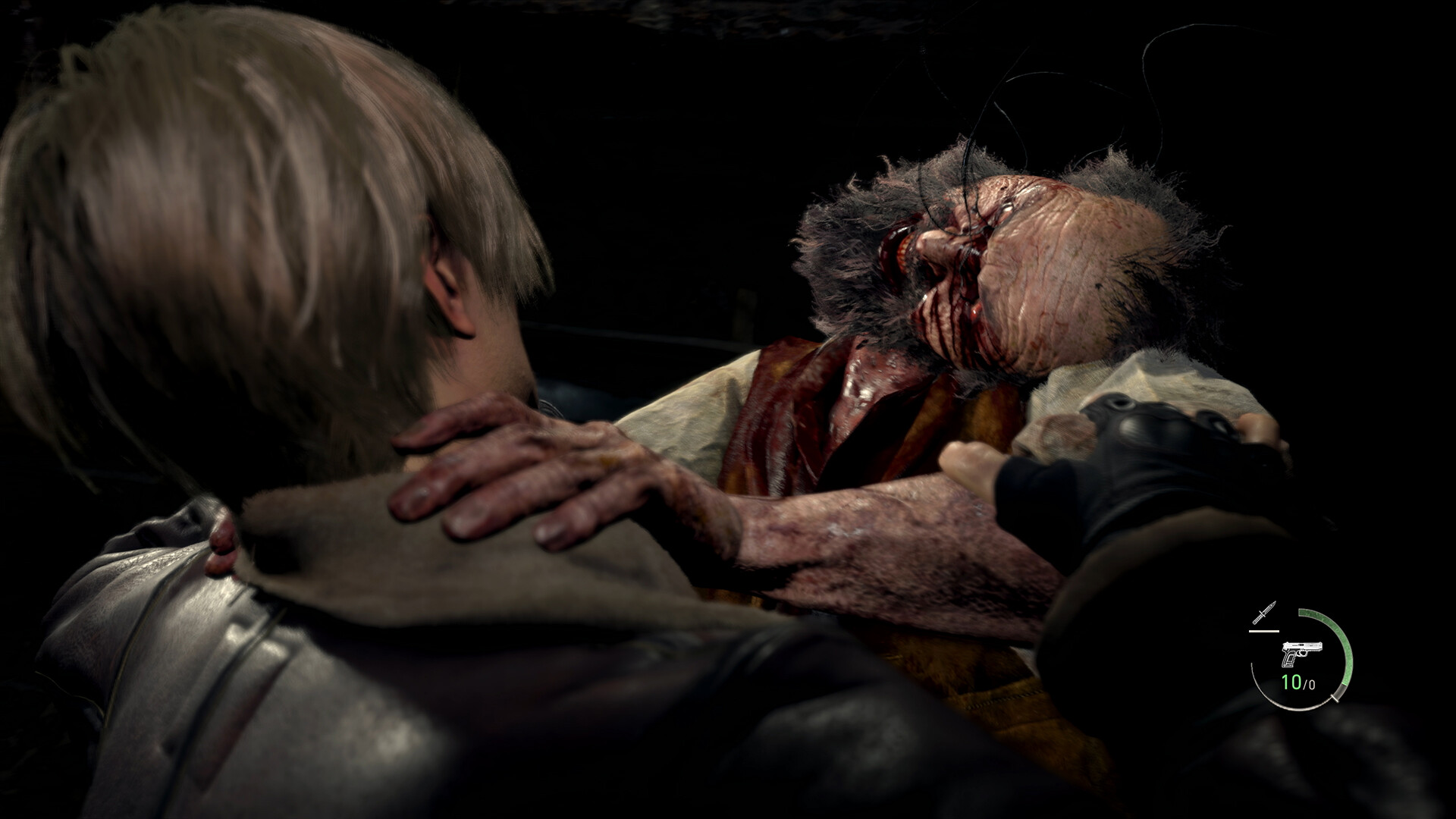
Resident Evil 4: a survival horror classic that can now be played in VR


When games influence the world
So, are video games art? Yes, but they’re so much more than that. From Balenciaga’s game Afterworld: The Age of Tomorrow, to the collab between League of Legends and Lil Nas X, games have the power to reshape and inspire culture worldwide. What was once seen as a niche hobby is now celebrated, with the MoMa’s game collection, the BAFTA Game Awards, and the V&A Videogames exhibition leading the charge.
In the end, it just proves what gamers already knew; gaming is the new creative vanguard.


